

Vital signs form the basis of every medical check-up. They show how the body is functioning at this moment. Doctors, nurses, and healthcare providers use this data daily to assess a patient’s health.
In this article, we clearly explain exactly what vital signs are. Furthermore, we discuss how to measure them and why regular check-ups are so important. This will give you a clear picture of this essential part of healthcare.
- Vital signs are measurable
bodily signals that indicate whether a person’s basic bodily processes are functioning properly. They give doctors direct insight into a patient’s condition. Therefore, they are checked during virtually every medical examination.
The most important vital signs are heart rate, respiration, blood pressure, and body temperature. Oxygen saturation is also often included nowadays. Together, these values provide a complete picture of a person’s state of health.
When one of these values deviates, it may indicate a problem. Therefore, measuring vital signs is often the first step in making a diagnosis.
- The Heart Rate as an Important Indicator
The heart rate indicates how many times the heart beats per minute. For an adult, a normal resting heart rate is between 60 and 100 beats per minute. Athletes often have a lower resting heart rate due to their good physical condition.
A heart rate that is too fast or too slow can indicate stress, fever, heart problems, or other conditions. Emergency responders usually measure the heart rate at the wrist or neck. This is done manually or with a heart rate monitor.
- Respiration and Oxygen Uptake
The respiratory rate shows how often a person breathes per minute. Normally, an adult breathes between 12 and 20 times per minute. Abnormal breathing can indicate shortness of breath, anxiety, or lung problems.
In addition, oxygen saturation is an important value. This percentage indicates how much oxygen the blood carries. A healthy value is usually above 95 percent. Lower values require extra attention.
- Measuring blood pressure
Blood pressure consists of two numbers: systolic and diastolic. These values indicate how much force the blood exerts on the vessel walls. An average healthy blood pressure is around 120 over 80.
High blood pressure can eventually lead to cardiovascular disease. Conversely, low blood pressure can cause dizziness or fainting. Therefore, regular check-ups are advisable, especially for older people.
- Body Temperature as a Signal
Body temperature indicates whether the body is in balance. A normal temperature is around 37 degrees Celsius. Fever occurs when the body fights an infection.
A temperature that is too low, also known as hypothermia, is likewise dangerous. Therefore, temperature measurement is a standard part of monitoring vital signs, especially in sick or vulnerable individuals.
Why Are Vital Functions So Important?
Vital signs provide quick and reliable insight into a person’s health. This allows emergency responders to immediately see if an emergency situation exists. As a result, they can quickly provide the right care.
Moreover, these measurements help to track changes over time. If the values deteriorate, it is often an early sign of a larger problem. In this way, timely intervention is possible, before someone becomes seriously ill.
In hospitals, vital signs are therefore monitored regularly. These values also play a crucial role during surgeries, deliveries, and emergencies. They simply form the basis of safe care.
Checking Vital Signs in Emergencies
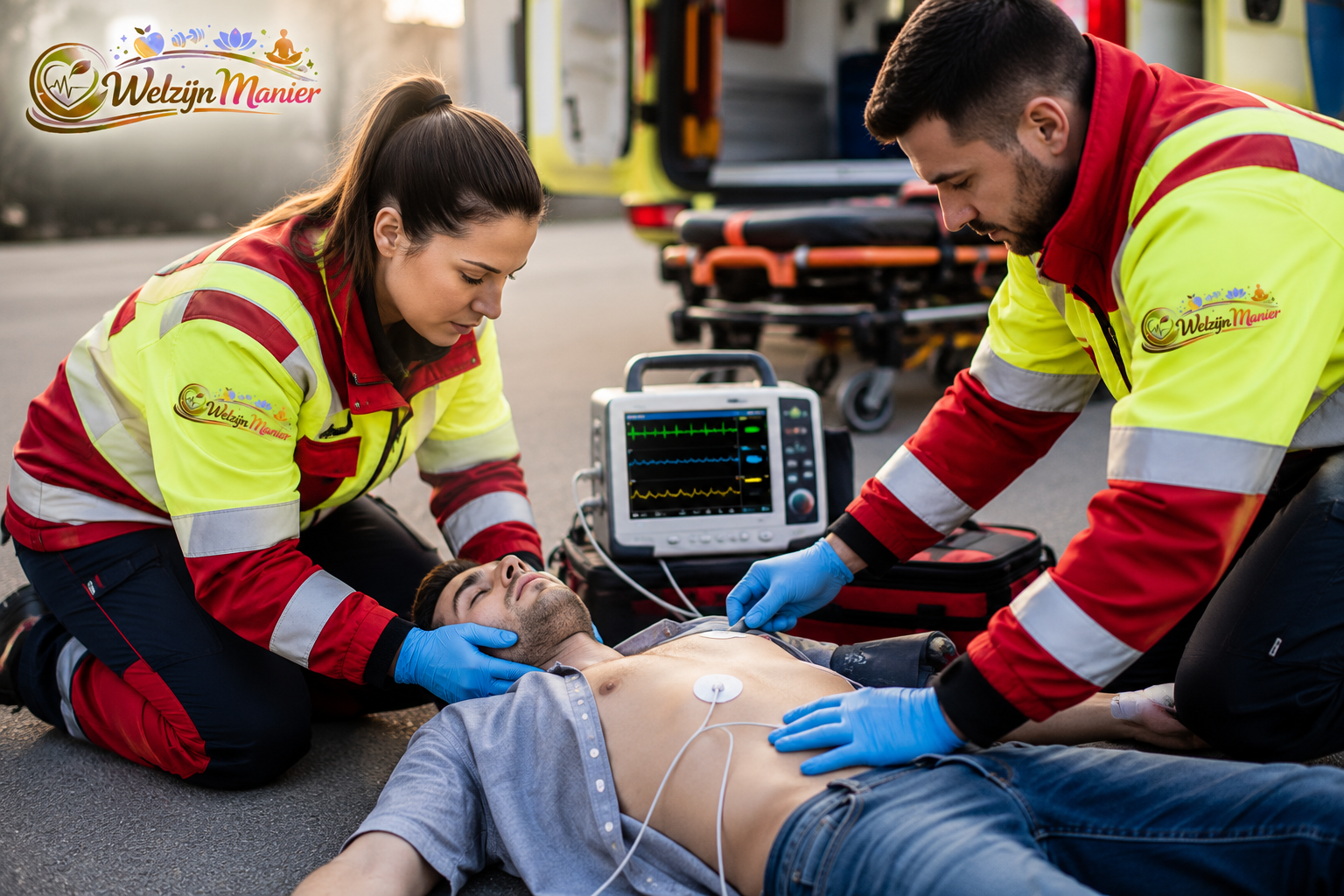
In the event of an accident or sudden illness, checking vital signs is often the first step. Emergency responders quickly check consciousness, breathing, and circulation. This is also known as the ABC method.
First, it is checked whether the airway is clear. Next, it is checked whether the person is breathing. After that, the healthcare provider focuses on the circulation, for example by feeling the pulse.
This rapid assessment helps determine what care someone needs immediately. In life-threatening situations, every second can count. Therefore, knowledge of vital signs is also valuable for people without a medical background.
How Often Should Vital Signs Be Checked?
The frequency of monitoring depends on the situation. For a healthy person during a regular consultation, a single measurement is often sufficient. However, for a seriously ill patient in the hospital, this is done much more frequently.
In the intensive care unit, vital signs are sometimes continuously monitored using equipment. This allows doctors to react immediately if anything changes. At home, people with chronic conditions, such as high blood pressure, can also take regular measurements themselves.
It is wise to always consult a doctor if in doubt. Especially with sudden symptoms, it is important not to wait too long.
Vital Functions and Technology
Nowadays, smart devices play a greater role in measuring vital signs. Smartwatches and fitness trackers, for example, can measure heart rate and oxygen saturation. This makes self-monitoring more accessible than ever.
However, these devices do not replace a medical check-up. They can help identify trends and raise the alarm in time. For a reliable diagnosis, a doctor or nurse remains necessary.
Conclusion
Vital signs form an essential part of good healthcare. They provide quick insight into heart rate, respiration, blood pressure, and temperature. This allows problems to be detected early.
Regular monitoring of vital signs helps not only doctors but also individuals to better understand their health. Whether it concerns a routine check-up or an emergency situation, these values remain indispensable. Therefore, basic knowledge of vital signs is valuable for everyone.